
News
OONI Commissions Ife Grand Redort, Unveils 3000 Seater MICE Centre, Ostrich Hub, Industrial Park.


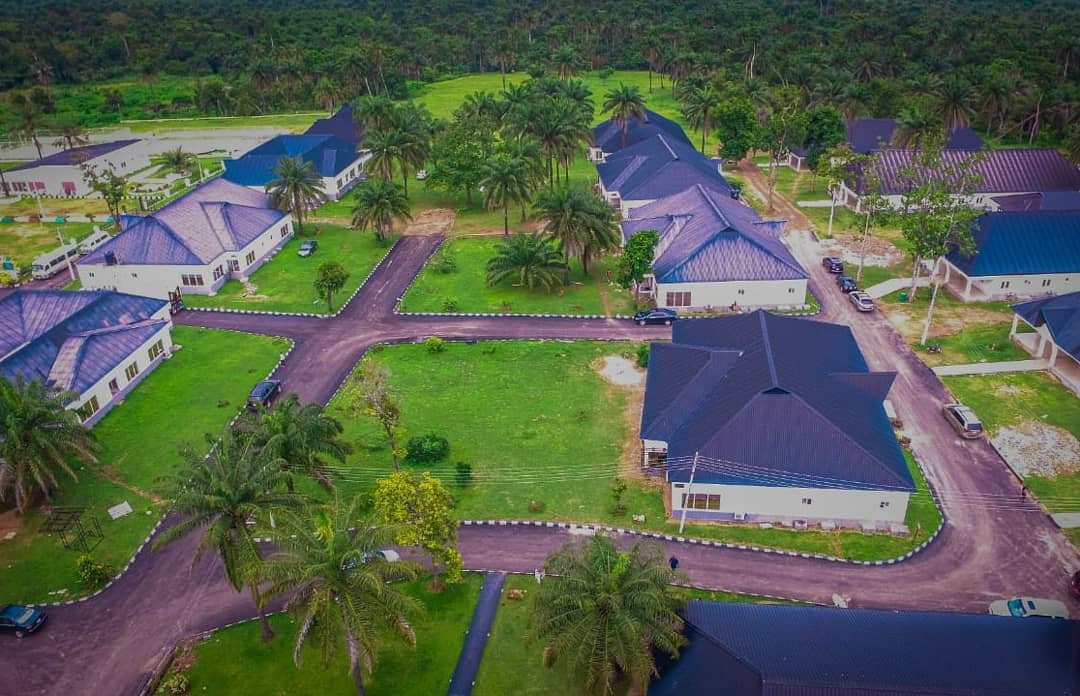
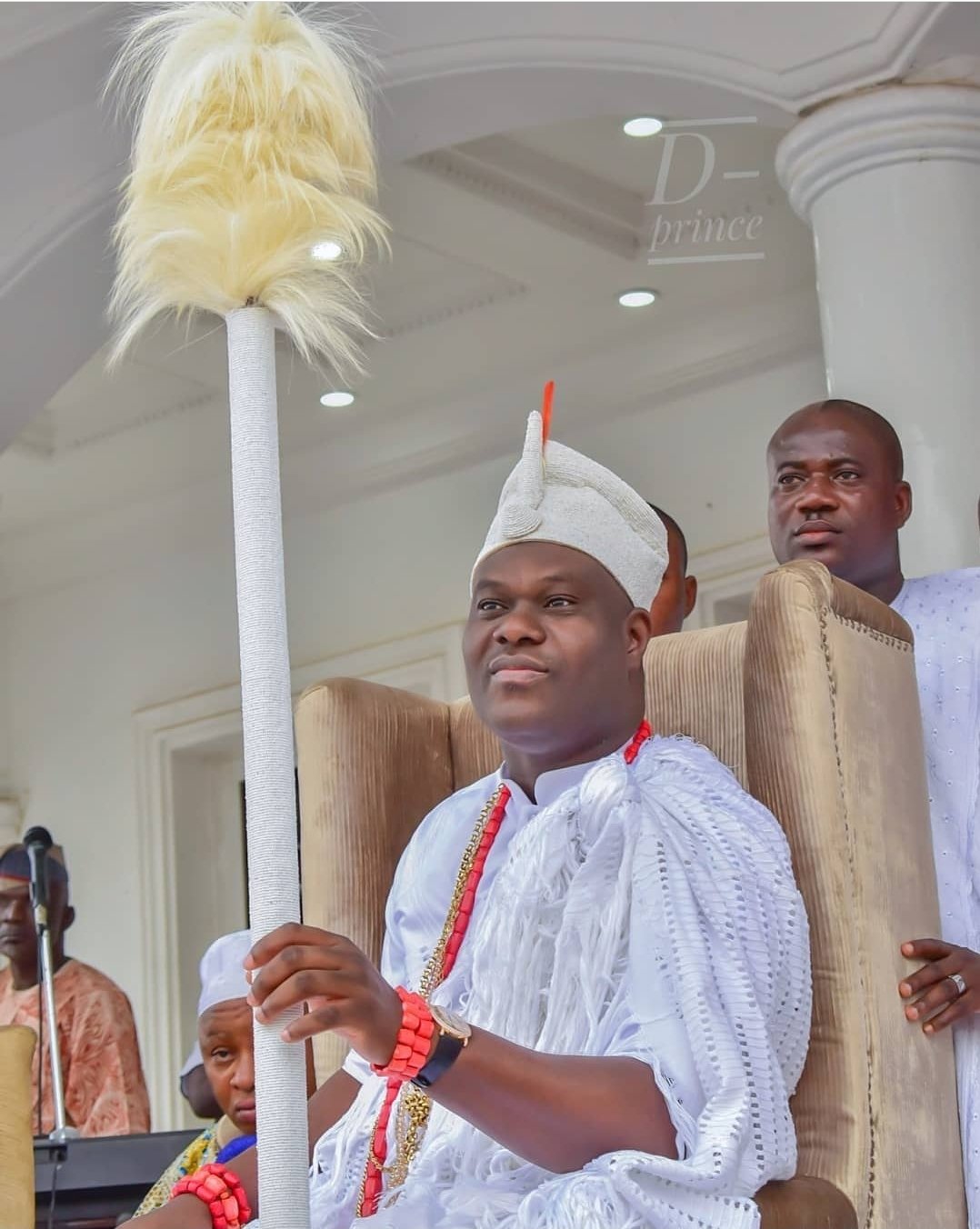
The Arole Oduduwa & Ooni of Ife, Ooni Adeyeye Enitan Ogunwusi Ojaja II, would on Friday 16 July , 2021 lead top dignitaries including the Governor, State of Osun, Alhaji Gboyega Oyetola, to officially launch Ife Grand Resort & Industrial Park in Ile-Ife.0
According to the press release, the huge investment is a legacy project embarked upon by Ooni Ogunwusi for urban renewal and redevelopment into the current smart city global requirements in the selfless spirit of ‘Charity Begins At Home’
The Ife Grand Resort and Leisure which is planted on over 1000 acres of land will aside from offering facilities for exquisite lodging/accommodation, harbour multiple industrial parks with pockets of industries currently producing many industrial and agricultural products as well as rendering essential services to the resort, the Ife community and Nigeria.
Sitting comfortably within the Ife Grand Resort which is a focal attraction on Friday is the 3000 seating capacity Meeting Incentives Conference and Event(MICE) Centre branded ‘Ojaja Arena’, a complex of architectural wonder planted by Ooni Ogunwusi to add value of relevance to urban renewal in Ile – Ife.
Ooni Ogunwusi disclosed that he deliberately brought the 3000 seating capacity event centre to make Ile-Ife the epicentre of MICE in Africa, saying that the ‘Ojaja Arena’ has been configured and positioned with all facilities to satisfy demands of Meetings , Incentives, Conference and Event adding that it would also shore up intellectual and congregational activities in Ile Ife, the ancient source of mankind.
“We are building a brand new city driven by urban renewal initiative. The Ojaja Arena is basically not built for social activities but a centre for training and manpower development for youths in this country, considering Ile-Ife to have over 500 thousand students of about 20 tertiary institutions; Universities, Polytechnics, Colleges of Education and Schools of Nursing within 100km radius surrounding Obafemi Awolowo University built at the nucleus Centre in Ife over 60 years ago.
The question in my lips has been, what will these young vibrant youths will be doing after tertiary institutions, the best bet is to set up a hub that is technology friendly to boost and drive small and medium scale industries within our country Nigeria by creating a smart city for them to display whatever they can do to become employers of labour after graduation. It is a sad truth that no industries to employ them all. We can only encourage them to create industries for and by themselves because that is the reality on ground”. Ooni said.
The natural traditional head of the House Oduduwa worldwide also revealed that “One of the industrial parks within the Ife Grand Resort Colony, the Adire hub has engaged 50 people, empowered over 150 others and started producing adire in bales which are being exported to foreign countries
He also disclosed that one of the agricultural parks which specializes in rearing of Ostriches has also employed another set of 40 staff who have started rearing Ostriches in an unprecedented manner with the vision to produce ostrich hides and skin in high commercial quantity for export purposes .
The Co-chairman, National Council of Traditional Rulers of Nigeria(NCTRN) revealed that the various industrial parks have started receiving collaboration and acknowledgement from Africas in diaspora who are willing and ready to train and empower interested individuals in various segments of the park.
“We have received pledges for training and exchange programs between the Brazilian, Cuban and other governments in the carribeans towards the empowerment of Nigerian youths both the male and female folks for post- COVID -19 empowerment action plan”
“We are occupying over 1,000 acres, we are building a brand new city that Urban renewal and it is going to be a itech environment, it is a smart city that will have a hub, industrial hub, Ostrich farming hub, Adire Hub, Green farming, Sport Academy, film and entertainment village. The resort it is a culture and tourism destination that is close to nature. You don’t even have to move around the country.”
“What we’re doing is to replicate this, we have already commenced in Ondo, Oyo and Lagos states and we shall be launching these projects concurrently. It is a means of creating an avenue for our young minds to see Nigeria from a positive perspective, so we’re creating a country from a country.
“A country in the sense that is a localized environment, for them to be there and be successful and reach out to the world like the typical Adire hub that we have done we are exporting to 25 countries now. We are shipping to everywhere in the world and we have agents all over.
“We started that one just three months ago and it is fast gaining global recognition, the same we are going to start organic remedies (Our herbal medicinal products recently launched strategically with YEMKEM). We’ll soon have a factory here from where we’ll send it to the world.
“So it is an industrial park that is fintech driven and it is through fintech that we’re even selling what we are selling at the hub. They place orders from anywhere globally and we ship to them, life is easy for everybody.
“There is equally the African village that reminds us of our ancient ways of living and yet bring it to the modern world, everything that has to do with pan African is there. Then the sporting arena is another industry that is huge, we would have a mini camp for training and development in the sporting world. We are going to have an 18 hole Golf Course.” Ooni said.
The resort is scheduled to host the Grand reception aspect of the installation activities for the Iyalaje of Oduduwa Race worldwide to be conferred on the Lagos business magnate cum philanthropist Princess (Dr.) Toyin Kolade by the Arole Oduduwa, Ooni Adeyeye Enitan Ogunwusi Ojaja II, the Ooni of Ife on Saturday.







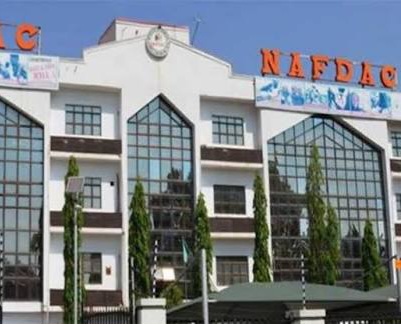
The Manufacturers Association of Nigeria has appealed to the Federal Government to restrain the National Agency for Food and Drug Administration and Control from proceeding with its ban on alcoholic beverages packaged in sachets and small PET bottles, warning of catastrophic economic consequences.
In a statement issued by Director-General Segun Ajayi-Kadir, MAN described NAFDAC’s renewed enforcement action as detrimental to indigenous industrial operators and fundamentally inconsistent with earlier government directives.
The manufacturers’ body emphasized that NAFDAC’s recent move directly contradicts the House of Representatives resolution dated March 14, 2024, which specifically restrained the agency from implementing the punitive ban following comprehensive stakeholder consultations through a public hearing.
“Rather than abiding by the generally agreed resolution, NAFDAC bided its time and chose to rely on a resolution of the Senate that was devoid of the usual stakeholders’ engagement,” Ajayi-Kadir stated, noting that operators now face confusion over conflicting directives from different arms of government.
MAN warned that enforcing the ban would devastate Nigeria’s manufacturing sector, threatening over ₦1.9 trillion in existing investments and triggering the retrenchment of more than 500,000 direct employees alongside approximately five million workers in the indirect value chain.
The association cautioned that the restriction would paradoxically undermine public health by creating market opportunities for illicit, substandard and unregulated products beyond the control of regulatory authorities.
“This is counterproductive as it will open up the market for illicit, sub-standard, and unregulated products. It will lead to an influx of imported alternatives, mostly smuggled. It will deny the government of revenues collectable from the companies,” Ajayi-Kadir declared.
The manufacturers’ group emphasized that alcohol served in sachets by local producers is manufactured under hygienic conditions and certified by regulatory agencies including NAFDAC itself, making the ban particularly contradictory.
MAN also challenged the untested assertion that sachet alcohol drives underage consumption, citing credible and empirical research that contradicts this claim. The industry has independently invested over ₦1 billion in nationwide media campaigns promoting responsible alcohol consumption and discouraging underage abuse.
The association stressed that banning certified products would deny adult consumers with limited budgets access to regulated alcoholic beverages while simultaneously depriving the government of substantial tax revenues.
Food, Beverages and Tobacco Senior Staff Association and National Union of Food, Beverages and Tobacco Employees have joined MAN in opposing the ban, demanding that NAFDAC provide empirical evidence that sachet alcoholic beverages are being consumed by children.
Labor unions have called for the suspension of NAFDAC Director-General Professor Mojisola Adeyeye, accusing her of siding with multinational companies to undermine local manufacturers.
However, NAFDAC has maintained its position, with Adeyeye insisting that enforcement is backed by law following the Senate’s unanimous resolution setting a December 2025 deadline that has now passed.
The NAFDAC chief argued that the proliferation of high-alcohol-content beverages in sachets has made such products easily accessible, affordable and concealable, contributing to widespread misuse and addiction among minors and commercial drivers.
“This public health menace has been linked to increased incidences of domestic violence, road accidents, school dropouts, and social vices across communities,” Adeyeye stated, describing the ban as protective rather than punitive.
In contrast, civil society organization Socio-Economic Rights and Accountability Project has approached the Federal High Court in Lagos seeking injunctive orders to prevent the Federal Government from interfering with NAFDAC’s statutory powers to enforce the ban.
SERAP argues that continued circulation of sachet alcohol violates the National Health Act 2014, the NAFDAC Act and international commitments under the World Health Organization’s Global Strategy to Reduce Harmful Use of Alcohol.
The legal and economic battle over sachet alcohol highlights deeper tensions between public health regulation, economic survival and stakeholder consultation in Nigeria’s policymaking process, with no clear resolution in sight as multiple court cases and regulatory actions unfold simultaneously.
News
Shettima: Tinubu’s Reforms Rebuilding Nigeria’s Global Credibility, Restoring International Confidence

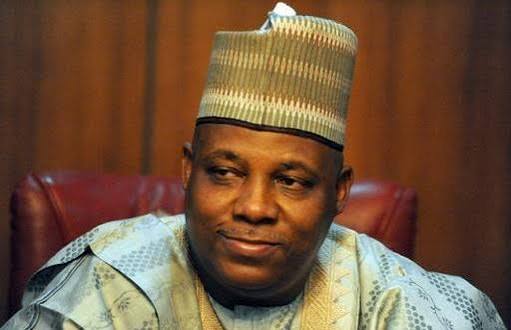
Vice President Kashim Shettima has declared that President Bola Tinubu’s economic reforms are successfully rebuilding Nigeria’s international reputation and restoring global investor confidence that had eroded over years of policy inconsistency.
Speaking at the formal opening of Nigeria House during the 2026 World Economic Forum in Davos, Switzerland, Shettima emphasized that the establishment of the country’s first sovereign pavilion at the prestigious gathering represents concrete evidence of Nigeria’s renewed seriousness about engaging the global economy.
“Nigeria House is a response to the lapses of the past. It reflects our intention, our seriousness, and above all, it advertises both our readiness and our resolve to take a front-line seat in the discourse of the global economy, not as observers, but as participants with a clear sense of purpose and place,” the Vice President stated.
Shettima explained that the tangible benefits of the Tinubu administration’s challenging but necessary reforms are beginning to materialize, pointing to macroeconomic indicators that demonstrate fundamental improvement in Nigeria’s economic trajectory.
According to the Vice President, Nigeria’s economy expanded by approximately 3.9 percent in 2025, marking the fastest growth rate recorded in over a decade, driven primarily by a resilient non-oil sector that now accounts for roughly 96 percent of gross domestic product.
“Services, agriculture, finance, and technology are expanding, while non-oil revenues now make up nearly three-quarters of government collections, marking a structural shift away from oil dependence,” Shettima noted, adding that this diversification strategy positions Nigeria for sustainable long-term prosperity.
The Vice President revealed that inflation, which stood above 30 percent in late 2024, eased significantly by the conclusion of 2025, while external buffers improved with foreign reserves rising above 45 billion dollars and greater stability emerging in the foreign exchange market.
He emphasized that Nigeria’s decision to open up to the world more deliberately comes at a critical turning point in the country’s economic journey, with reform dividends becoming increasingly visible across multiple sectors.
Minister of Industry, Trade and Investment Dr. Jumoke Oduwole reinforced Shettima’s assessment, stating that Nigeria under the current administration is rebuilding trust, restoring credibility and positioning itself as a global center for wealth creation and strategic partnership.
The minister applauded the Vice President’s support in realizing the historic vision for Nigeria House Davos, describing the project as a demonstration of strong public-private partnership that reflects the rejuvenation of Nigeria’s economy and showcases national pride.
At a separate engagement, Shettima told participants at a high-level panel discussion titled “When Food Becomes Security” that Nigeria, renowned as the African giant, has awakened from its slumber under Tinubu’s dynamic and purposeful leadership.
The Vice President expressed optimism that with ongoing Renewed Hope Agenda reforms, the coming months will witness greater climate adaptation moving from pilot projects to reality, as well as a boom in intra-African trade far beyond the current 10.7 percent baseline.
Speaking at the inaugural convocation ceremony of the Professionals’ Certification Programme at the Presidential Villa in Abuja, Shettima revealed that foreigners now choose to participate in professional training courses in Nigeria, citing this trend as evidence that global confidence in the country is being restored.
“The ongoing reforms of President Tinubu’s administration are beginning to restore the confidence of the global community in Nigeria,” the Vice President stated, emphasizing that transparent procurement practices and institutional strengthening form critical pillars of the reform agenda.
Nigeria House Davos, according to Shettima, represents a deliberate action to consolidate the gains of Tinubu’s economic transformation efforts through high-level engagements targeted at attracting investments in the country’s non-oil sector.
The Vice President stressed that while government can open doors, create frameworks and de-risk environments, only private enterprise can animate growth, scale opportunity and translate policy into productivity, calling on the private sector to drive Nigeria’s economic renaissance.
Upon returning to Abuja from his week-long diplomatic and economic mission that included stops in Guinea-Conakry and Switzerland, Shettima declared that Nigeria has reclaimed a frontline seat in global and regional policy conversations.
News
“I Can Decide To Revoke The Land Allocated To Onitsha Main Market And Build A School On It” — Gov Soludo
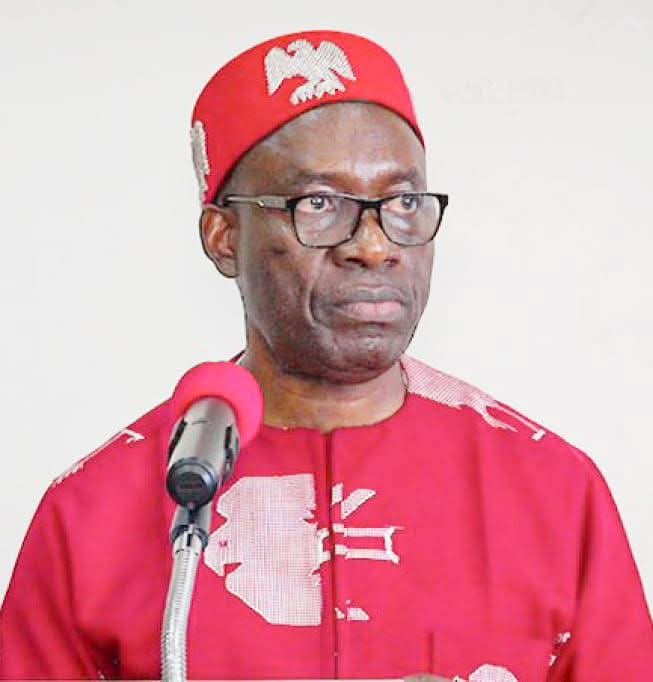
Anambra State Governor, Professor Chukwuma Charles Soludo, has sparked fresh controversy after stating that he has the constitutional power to revoke the land allocated to Onitsha Main Market and repurpose it for public use, including building a school. The governor made the remark while addressing market leaders amid the ongoing dispute over the continued Monday sit-at-home observed by traders in the state.
Soludo recently ordered the closure of Onitsha Main Market for one week after traders allegedly complied with sit-at-home directives despite the state government’s ban on such actions. He described the practice as “economic sabotage” and warned that the government would no longer tolerate disruptions to commercial activities in Anambra, one of Nigeria’s major economic hubs.
According to the governor, the Land Use Act empowers the state to revoke land allocations for overriding public interest, adding that affected owners would be compensated and could challenge the compensation in court if dissatisfied. He further warned that shops that remain closed could be sealed, fined, or taken over by the government and reassigned to willing traders.
The decision has generated mixed reactions, with critics accusing the government of punishing ordinary traders and worsening economic hardship, while supporters argue that enforcing a full business week is necessary to restore economic stability and investor confidence in the state. Some lawmakers and stakeholders have also urged the governor to adopt dialogue and caution, citing potential losses and unrest from prolonged market closures.
As tensions continue, the development highlights the broader struggle between government authority, security concerns, and economic survival in the South-East, with Onitsha Main Market—one of West Africa’s largest commercial centres—at the centre of the storm.
-
 News2 years ago
Hardship: We Plan To Establish A National Commodity Board To Crash Food Prices – VP Shettima
-
News8 years ago
Blog Reader; Samson Osagiede Celebrates Fiancè Benedicta Daniels’s Birthday With Sweet Words
-
Home9 years ago
News Channel claims Donald Trump is an orphan from Pakistan,share alleged childhood photo
-
Home9 years ago
Another $175m Found in Patience Jonathan’s wife’s firm’s Bank Account
-
Home9 years ago
Oil Spillage: House of Reps Member Shares Photos of the Water her Constituents Drink .
-
Home9 years ago
Zara Buhari & Ahmed Indimi’s Wedding Access Card
-
 Sport7 years ago
Modric, Marta Wins 2018 FIFA Best Player Of The Year Awards ⚽️
-
News8 years ago
The Best Video You’ve Seen Today?