
Politics
Barau Jibrin Welcomes Governor Yusuf to APC, Pledges Cooperation for Kano Development

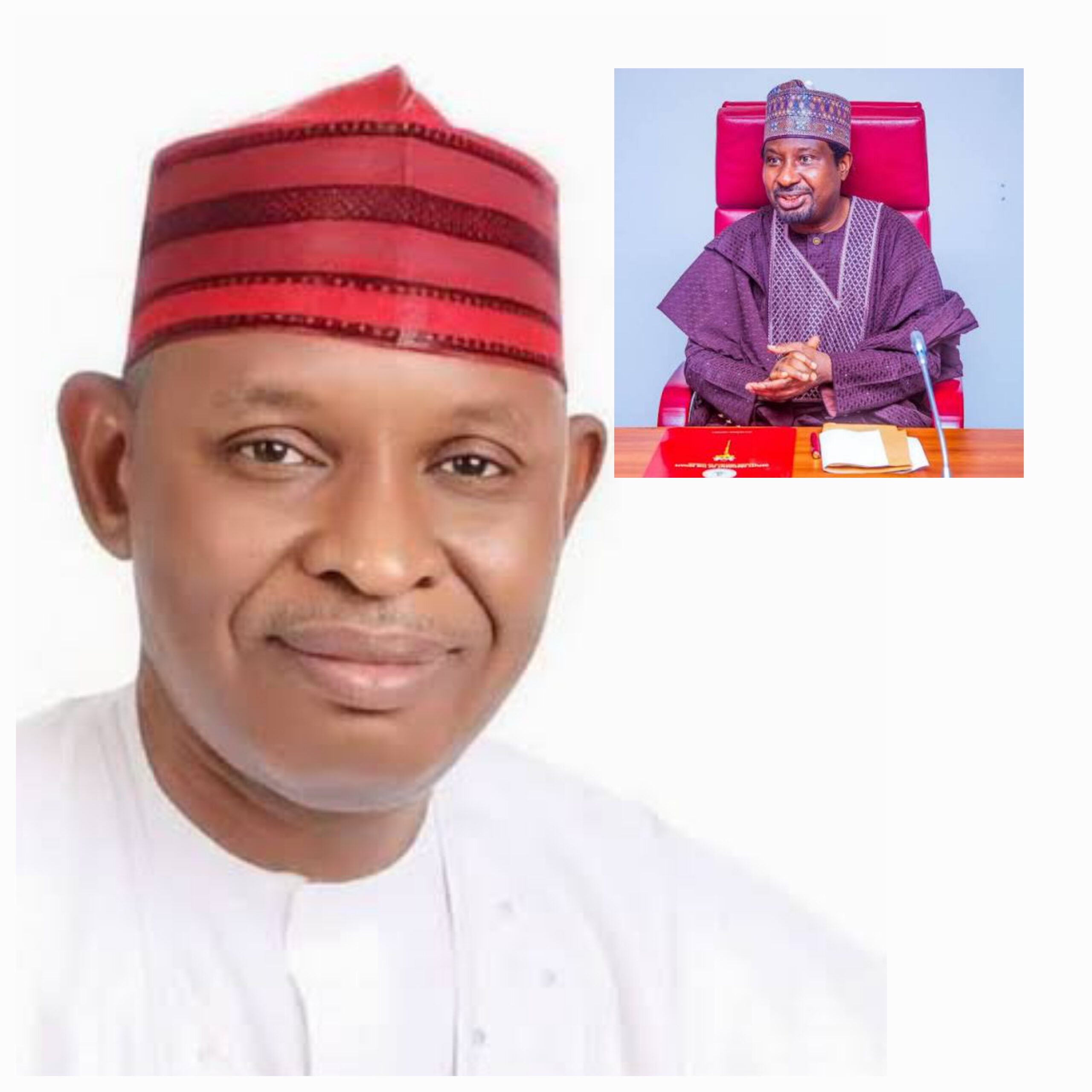
Deputy Senate President Senator Barau Jibrin has warmly welcomed Kano State Governor Abba Kabir Yusuf into the All Progressives Congress, pledging cooperation and unity for the development of Kano State despite underlying political tensions over the 2027 gubernatorial contest.
Senator Barau was among the high-profile dignitaries who witnessed Governor Yusuf’s formal defection from the New Nigeria People’s Party at an elaborate ceremony held on Monday at the Coronation Hall of the Government House in Kano.
The Deputy Senate President stood alongside former APC National Chairman and immediate past Kano Governor Abdullahi Umar Ganduje, Senator Kawu Sumaila, members of the National Assembly from Kano State, and other party stakeholders as the governor officially announced his political realignment with the ruling party.
According to reports from the ceremony, Governor Yusuf commended both Ganduje and Barau for their support during the defection process, acknowledging their roles in facilitating his return to the APC where he had previously been a member in 2014.
The visible show of unity between Barau and the governor at Monday’s event represents a significant political development, especially given widespread speculation about the Deputy Senate President’s own gubernatorial ambitions for 2027.
Political observers had anticipated potential friction between Yusuf and Barau following the governor’s demands for an automatic ticket for the next election, a condition that reportedly delayed his defection for several weeks as APC leadership refused to provide written guarantees.
Sources within the party revealed that Barau, who commands considerable grassroots support and institutional influence within Kano APC structures, has not abandoned his plans to contest the governorship in 2027, setting the stage for a potential showdown within the party.
However, during Monday’s ceremony, both leaders demonstrated political maturity by prioritizing party cohesion and the collective interests of Kano State over personal ambitions, at least publicly.
The APC State Chairman, Abdullahi Abbas Sanusi, has emphasized that the party will ensure unity between new members joining with Governor Yusuf and existing party structures, with strategic discussions planned to manage competing interests ahead of the 2027 primaries.
Governor Yusuf was received into the APC alongside 22 state lawmakers led by Speaker Jibril Ismail Falgore, eight federal legislators, all 44 local government chairmen, and 484 councilors, marking one of the most significant political realignments in northern Nigeria ahead of the next general elections.
The mass defection delivers a devastating blow to the NNPP, stripping the party of its only governorship seat and potentially reducing its viability as a national political platform.
The governor defended his decision during the ceremony, stating that rejoining the APC would strengthen cooperation with the Federal Government, accelerate infrastructural development, enhance security coordination, and improve service delivery across Kano State.
He described the move as a choice of progress over pride, development over stagnation, and stability over partisan interests, emphasizing that governance should not be constrained by party affiliation but driven by policies and alliances that benefit the people.
Despite the public display of unity, political analysts warn that Governor Yusuf faces significant challenges ahead as he navigates competing power blocs within the Kano APC, particularly those loyal to Ganduje and Barau, both of whom wield substantial influence within the party structures.

Politics
President Tinubu Departs for Turkey State Visit to Sign MOUs, Boost Bilateral Trade to $5 Billion
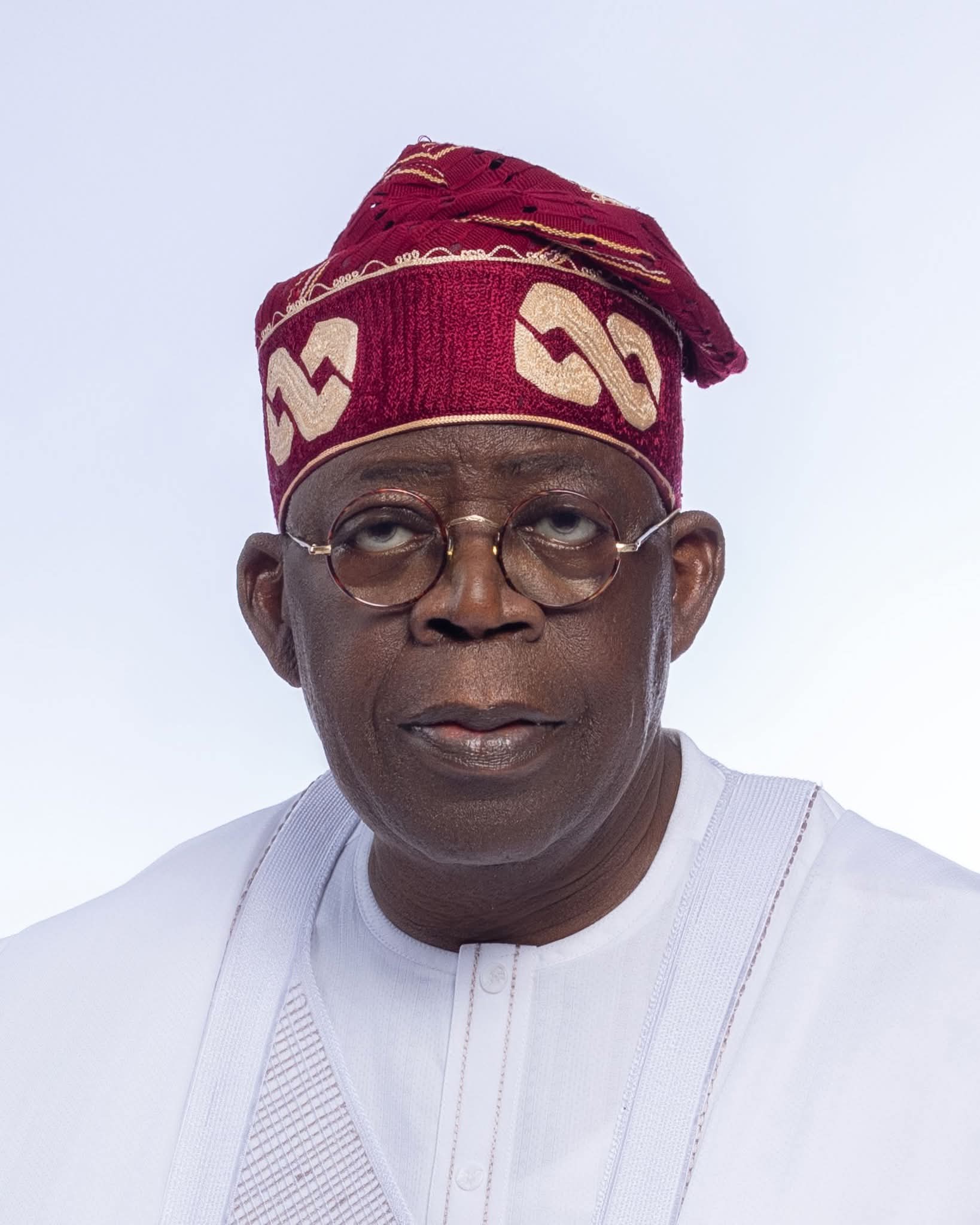
President Bola Tinubu departed Abuja on Monday, January 26, for an official state visit to the Republic of Türkiye aimed at deepening bilateral cooperation and expanding economic ties between both nations.
The visit, announced by Special Adviser on Information and Strategy Bayo Onanuga, represents a reciprocal engagement following Turkish President Recep Tayyip Erdoğan’s official trip to Nigeria in October 2021.
During the high-level engagements, President Tinubu and President Erdoğan will hold strategic political and diplomatic discussions focusing on shared priorities in finance, communication, trade and investment, with the goal of significantly expanding economic collaboration between the two countries.
The agenda includes meetings between senior officials from both nations and the signing of multiple memoranda of understanding covering scientific research, energy, technical cooperation, media and communications, military cooperation and diplomatic protocol.
A Nigeria-Türkiye business forum will bring together investors from both countries to explore new investment opportunities and strengthen private-sector partnerships across key economic sectors.
Members of the presidential delegation include Minister of Foreign Affairs Ambassador Yusuf Tuggar, Attorney General Prince Lateef Fagbemi, Minister of Defence General Christopher Musa, National Security Adviser Nuhu Ribadu, and Director-General of the National Intelligence Agency Mohammed Mohammed.
Other officials on the entourage are Minister of Women Affairs Hajiya Imaan Suleiman-Ibrahim, Minister of Interior Olubunmi Tunji-Ojo, Minister of Culture and Creative Economy Hannatu Musawa, and House Committee on Defence Chairman Jimi Benson.
The visit builds on an already substantial relationship between Nigeria and Türkiye, with bilateral trade currently exceeding one billion dollars annually. Both governments have formally set an ambitious target to expand trade to five billion dollars as part of broader economic diversification strategies.
In 2024, Turkish exports to Nigeria reached approximately 721 million dollars, while Nigerian exports to Türkiye totaled about 505 million dollars, demonstrating growing commercial exchanges between the two nations.
Beyond trade, the Nigeria-Türkiye partnership has taken tangible shape across multiple sectors including healthcare, education, manufacturing, agriculture and defence cooperation, moving beyond diplomatic pronouncements to practical collaboration.
Türkiye’s strategic geographic position straddling Europe and Asia, combined with its industrial capacity and security capabilities, makes it an important partner for Nigeria’s efforts to diversify international partnerships and strengthen economic resilience.
The visit also reflects Nigeria’s broader strategy of recalibrating partnerships toward countries that combine strategic geography, industrial depth and pragmatic diplomacy, positioning the nation as Africa’s gateway to global markets.
President Tinubu is expected to return to Nigeria at the conclusion of the state visit, with implementation of signed agreements set to commence shortly thereafter.
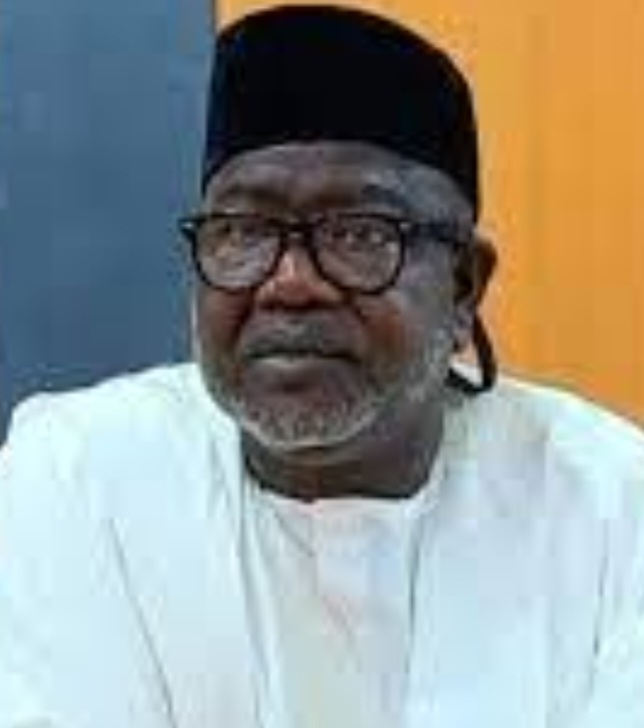
Former Senator Abubakar Gada has announced his return to the Peoples Democratic Party just six months after joining the African Democratic Congress, citing leadership failures and lack of commitment from former Sokoto State Governor Aminu Waziri Tambuwal.
Gada made the declaration on Saturday during a meeting with supporters in Sokoto State, explaining that his decision was driven by the need to reclaim and rebuild the PDP after what he described as years of stagnation under Tambuwal’s leadership.
The former lawmaker, who represented Sokoto East Senatorial District between 2007 and 2011 under the PDP before joining ADC in 2025, accused Tambuwal of failing to fulfill his responsibilities as joint leader of the party in Sokoto.
“My humble self and Senator Aminu Waziri Tambuwal were considered the leaders to drive the party in the state,” Gada stated. “But leadership comes with responsibility. Leadership is not just a title; it requires commitment, presence, and dedication to the people.”
Gada revealed that despite their agreement to jointly lead the ADC in Sokoto, Tambuwal never made meaningful efforts to sit down with stakeholders or engage in grassroots party building across the state.
“Tambuwal never came to sit with us to build the party. This lack of commitment has left the ADC in limbo in Sokoto and forced us to take destiny into our hands by returning to PDP,” he explained.
The former senator’s decision marks a dramatic reversal from August 2025, when he received scores of APC members who defected to the ADC, declaring at the time that the coalition was committed to rescuing Sokoto State and Nigeria from what he called poor leadership.
During that period, Gada had spoken passionately about the ADC’s mission to restore peace, security and development, particularly in response to worsening insecurity in Sokoto East that had crippled farming activities and deepened poverty.
Supporters who gathered for Gada’s return to PDP, including Alhaji Hamza Yabo, described the move as a significant step toward rebuilding the party after its defeat in the 2023 elections.
Alhaji Hamza Gatawa stated that work had begun to reclaim the PDP, while Hajiya Mariam Kabi called on women and youth to rally behind Gada to achieve his political objectives ahead of the 2027 general elections.
However, the Sokoto PDP has distanced itself from reports of Gada’s return. State Publicity Secretary Hassan Sayinnawal denied knowledge of any formal defection, stating that no steps had been taken at the ward, local government or state levels to confirm Gada’s membership.
“The party has no information about Senator Gada’s return. There has been no official process at any level indicating that he has rejoined PDP,” Sayinnawal clarified.
Gada is expected to formally announce his return to the PDP at the state level in the coming weeks as political realignments intensify ahead of the 2027 elections.
The development adds another layer to the complex political dynamics in Sokoto State, where multiple defections across party lines have created uncertainty about electoral alliances and power structures heading into the next political cycle.
Politics
Speculation Mounts as Multiple Northern Politicians Position for VP Slot Ahead of 2027 Elections
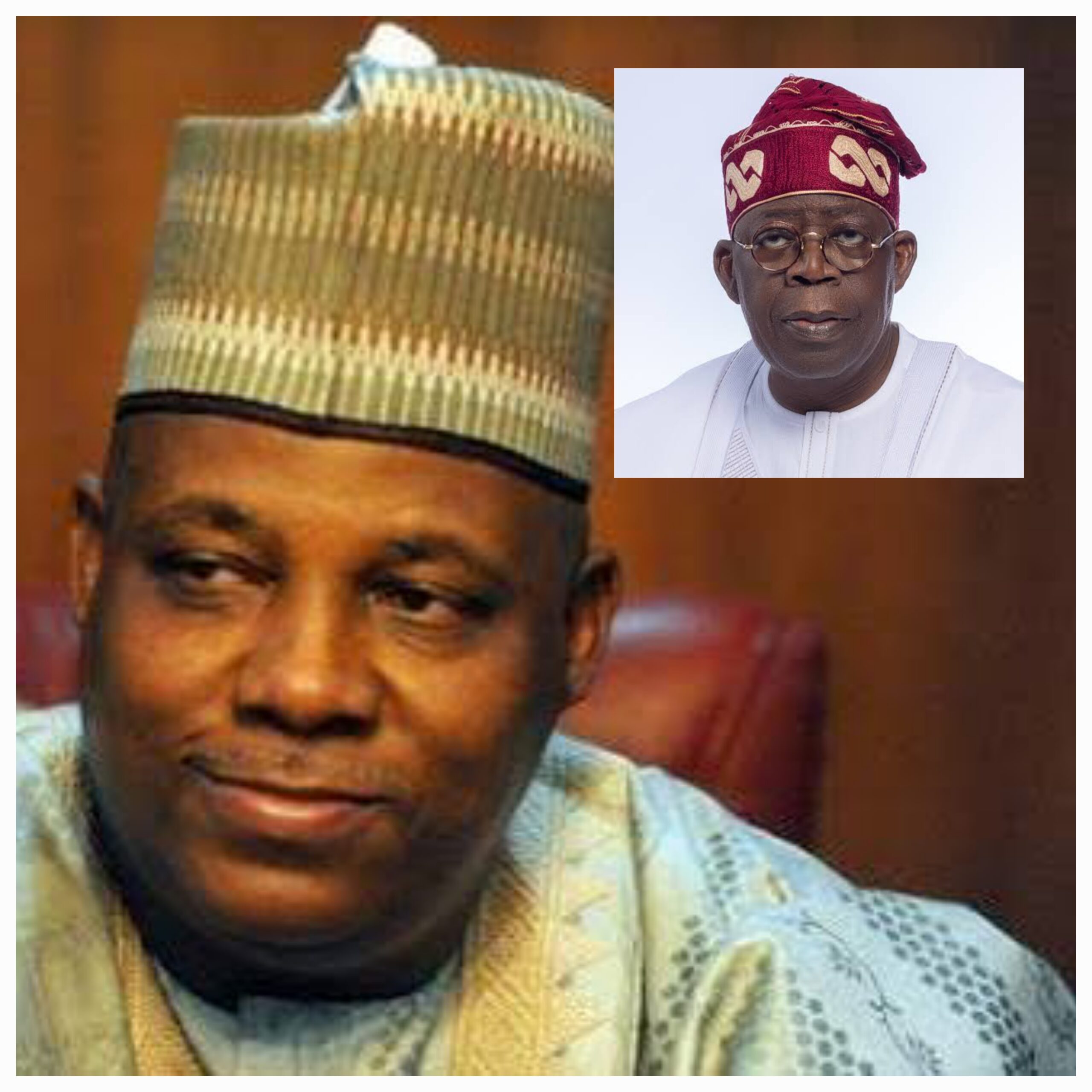
Vice President Kashim Shettima’s position on the All Progressives Congress presidential ticket faces uncertainty as multiple politicians from northern Nigeria position themselves for the vice presidential slot ahead of the 2027 general elections.
Political analysts have identified several factors that could influence President Bola Tinubu’s decision on whether to retain his current deputy or select a different running mate when he formally secures the party’s nomination
Sources within the ruling party indicate that at least four northern governors, drawn equally from the North-East and North-West zones, along with two principal officers from the National Assembly, have expressed interest in the vice presidential position.
One significant consideration is the demand for religious balance on the ticket. The Muslim-Muslim arrangement that brought Tinubu and Shettima to power in 2023 generated considerable controversy among Christian groups, and political strategists suggest that fielding a Christian running mate could broaden the president’s appeal heading into 2027.
Reports indicate that pressure from international actors, particularly the United States, has intensified calls for a Muslim-Christian ticket, potentially reshaping the political calculations within the presidency.
Another factor being examined is Tinubu’s historical pattern with deputy positions. During his eight years as Lagos State governor, he worked with three different deputies, suggesting a willingness to make changes when deemed politically necessary.
Additionally, observers note that Tinubu has never delegated presidential authority to Shettima during international trips, raising questions about the depth of trust and coordination between the two leaders.
However, powerful voices within the APC have pushed back against any replacement plans. Former presidential aide Hakeem Baba-Ahmed, who recently left the administration, confirmed there is no rift between the president and vice president, describing their working relationship as having strong chemistry.
Legal practitioner Titilope Anifowoshe warned that changing running mates would trigger fresh political lobbying that could destabilize the administration and distract from governance priorities.
Presidential spokesperson Bayo Onanuga clarified that Tinubu will announce his running mate only after securing the APC nomination at the party’s 2026 convention, effectively leaving the question open until the formal campaign season begins.
Shettima brings considerable political assets to the ticket, including a formidable electoral structure in Borno State where he has never lost an election, first as governor and later as senator. His influence extends across the North-East and among northern Muslim voters who remain critical to the APC’s electoral fortunes.
Political analysts warn that removing Shettima could carry significant costs, potentially alienating northern voters and creating a backlash similar to tensions witnessed during recent APC stakeholder meetings in Gombe State.
The North Central Renaissance Movement has threatened to withdraw support from Tinubu unless a vice presidential candidate emerges from their geopolitical zone, citing decades of political marginalization and security challenges facing Christian-dominated states in the region.
Names being mentioned as potential replacements include former House Speaker Yakubu Dogara, a Christian from Bauchi State, National Security Adviser Nuhu Ribadu, former Zamfara Governor Abdulaziz Yari, and Bishop Matthew Hassan KukahSokoto Diocese.
As the 2027 elections approach, the vice presidential question remains one of the most closely watched political calculations within the ruling party, with implications that could reshape Nigeria’s electoral landscape.
-
 News2 years ago
Hardship: We Plan To Establish A National Commodity Board To Crash Food Prices – VP Shettima
-
News8 years ago
Blog Reader; Samson Osagiede Celebrates Fiancè Benedicta Daniels’s Birthday With Sweet Words
-
Home9 years ago
News Channel claims Donald Trump is an orphan from Pakistan,share alleged childhood photo
-
Home9 years ago
Another $175m Found in Patience Jonathan’s wife’s firm’s Bank Account
-
Home9 years ago
Oil Spillage: House of Reps Member Shares Photos of the Water her Constituents Drink .
-
Home9 years ago
Zara Buhari & Ahmed Indimi’s Wedding Access Card
-
 Sport7 years ago
Modric, Marta Wins 2018 FIFA Best Player Of The Year Awards ⚽️
-
News8 years ago
The Best Video You’ve Seen Today?