
News
Alaafin: How selection process turned controversial


After the death of Oba Adeyemi on April 22, 2022, about 198 contenders signified their interest to assume the revered throne.

But, the number was pruned from 65 to 10 by the Oyo Mesi, a council of kingmakers after a rigorous interview and consultation with Ifa Oracle.
Then, the kingmakers were reported to have nominated Prince Gbadegesin.
After the nomination of Prince Gbadegesin by the estranged kingmakers, there was a row among the kingmakers over the sharing formula for the sum of money allegedly offered them for the selection.
It was gathered that it was the sharing formula that sowed the seed of discord. It was alleged that two of the kingmakers felt the larger portion of the cake was taken by one of them.
Inundated with complaints and alleged monetisation of the process that led to the selection, the‘greased palms’, the governor restrained himself from giving approval to the name forwarded to him by the kingmakers.
The governor insisted that due process must be strictly adhered to.
The governor, as reliably gathered instructed the kingmakers to go back to the drawing board by re-consulting Ifa Oracle without being induced by any one of the princes which the kingmakers rejected.
- Ifa Oracle consulted outside Oyo;
In what could be termed an unprecedented move, the state government reportedly went and sought the services of a neutral ifa priest, Professor Wande Abimbola, the former Vice Chancellor of the University of Ife and the head of all Ifa oracle diviners to ask Ifa Oracle which of the aspirants he preferred.
Ifa picked Prince Owoade — Prof Abimbola
In a viral video last weekend, Prof Abimbola was heard saying that the Oyo State government contacted him on the divination process.
According to the Ifa diviner, the Oyo State Governor called him to ask Ifa who the right choice would be.
The Professor of Yoruba explained the rigour he went through before picking the new Alaafin.
He said: ”I spent ten days seeking the face of Ifá oracle and Ifá made its choice. Ifá chose Prince Owoade.”
The Ifa representative also alleged that the Oyo kingmakers tried to monetarily influence him by persuading him to stick to their initial nomination to which he said no.
This was how Oba Akeem Abimbola Owoade became the 46th Alaafin of Oyo.

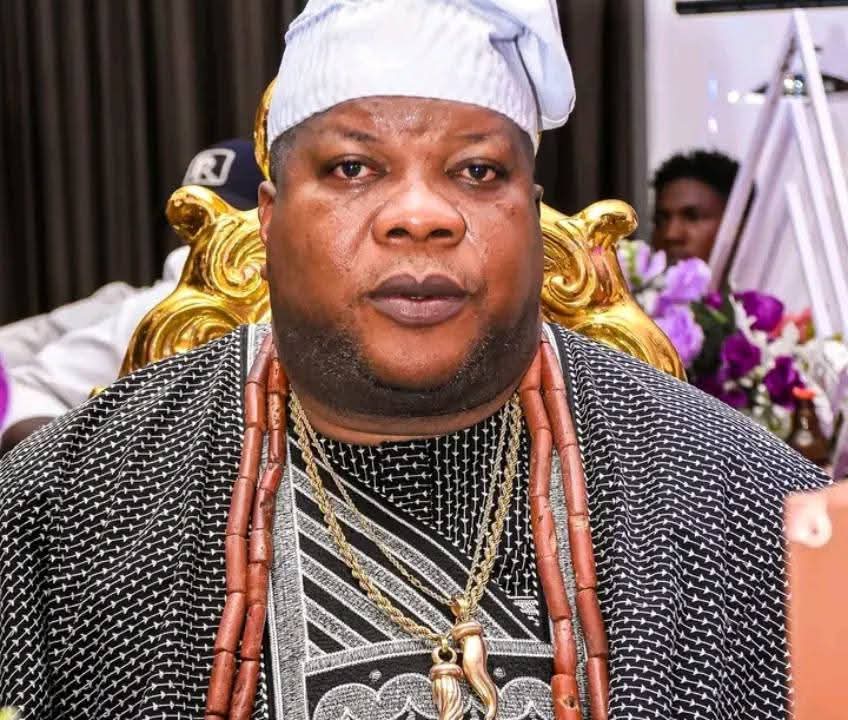
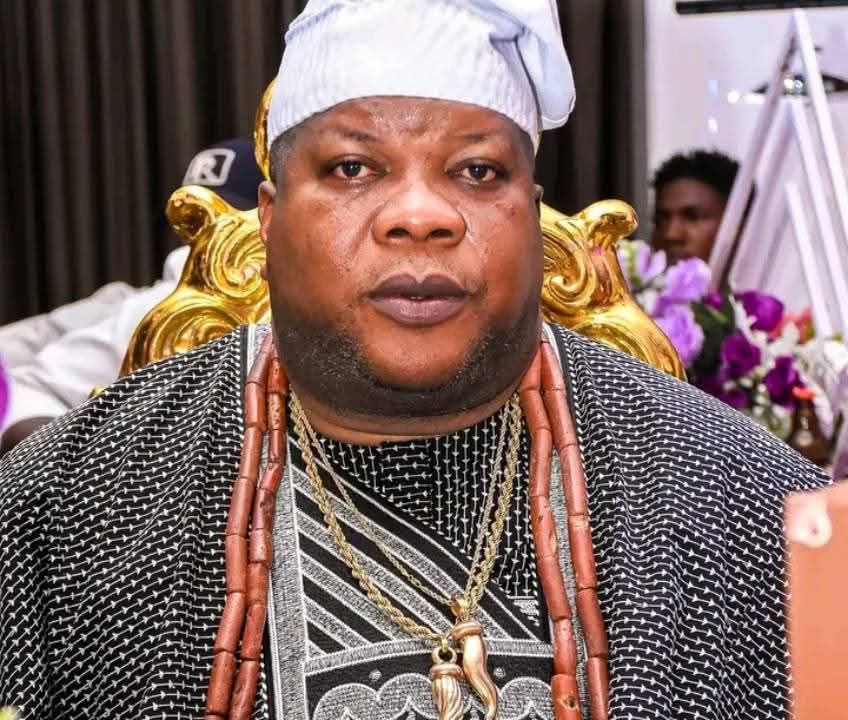
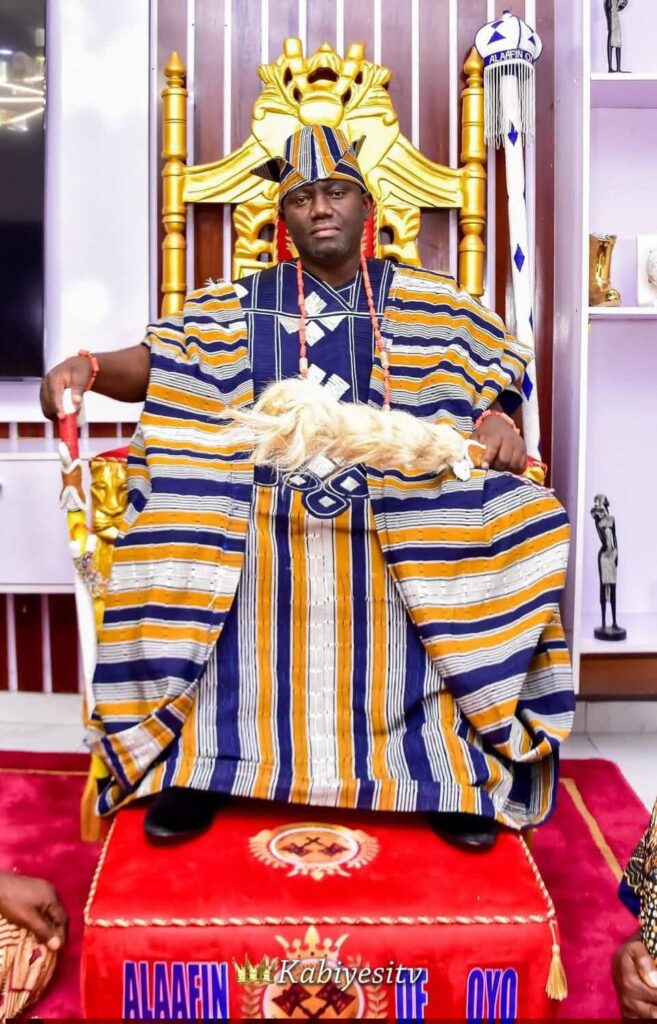
The Eselu of Iselu Kingdom, Oba Akintunde Akinyemi, has advised the Alaafin of Oyo, Oba Abimbola Owoade I, to avoid a direct confrontation with the Oyo State Government over the proposed rotational chairmanship of the state’s Council of Obas.
Oba Akinyemi warned that open defiance of the government’s decision could attract serious consequences, noting that state governments possess the constitutional powers to install or depose traditional rulers in cases of insubordination or disobedience.
According to the monarch, the governor’s decision is not unusual, as similar rotational arrangements are practiced in other states across the country. He added that the situation could have been handled differently, stressing that the Alaafin should not have publicly challenged the policy, particularly as he was not consulted before its announcement.
Meanwhile, the Alaafin of Oyo has denied claims that he met with Governor Seyi Makinde or endorsed the rotational chairmanship. He maintained that his opposition to the move had already been formally communicated to the governor through a memo submitted by the Oyo Council of Elders.
The controversy has continued to spark reactions, with groups such as the Oyo Scholars Congress and the Oyo Global Forum throwing their weight behind the Alaafin. The groups argue that the rotational system distorts Yoruba history and undermines the traditional status and authority of the Alaafin of Oyo.
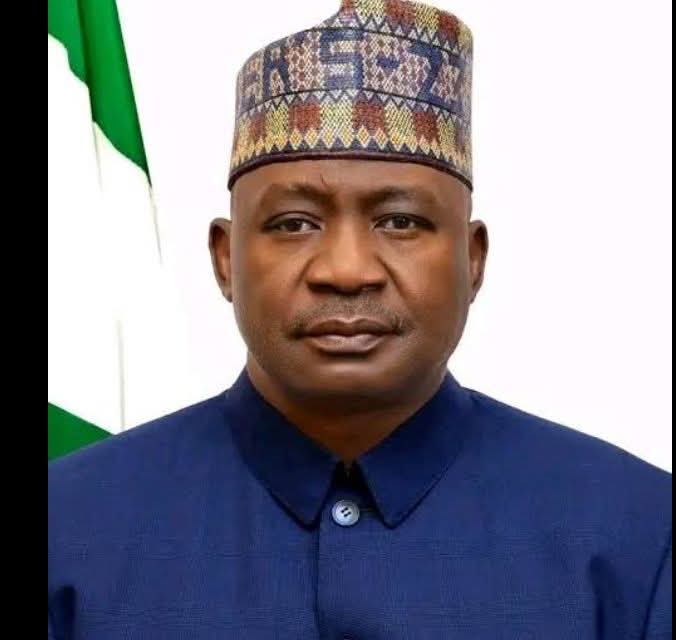
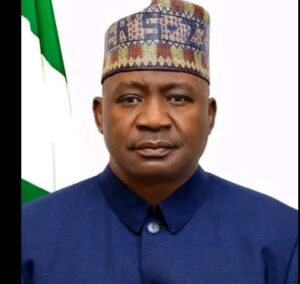
Nigeria’s Defence Minister, General Christopher Musa (rtd), has strongly cautioned against negotiating with bandits and terrorists, describing such efforts as deceptive and counterproductive.
According to him, criminal groups do not honour agreements and often use negotiations as a tactic to buy time before launching fresh attacks. He cited past incidents, including in Katsina State, as examples where dialogue failed despite repeated warnings.
“These people do not understand negotiation. It is nothing but deception. When they come to negotiate, they are only seeking an advantage, and once it is granted, they turn around and attack again,” he said.
The Defence Minister urged both the public and government authorities to discontinue any form of engagement with bandits and terrorists, insisting that such groups have no regard for truth or accountability.
“They never keep their word. They lie, do not fear God, and will always return after negotiations,” Musa added.
News
Anyone Opposing U.S. Strikes Is Nigeria’s Enemy or Profiting From Insecurity — Ex-General Enenche
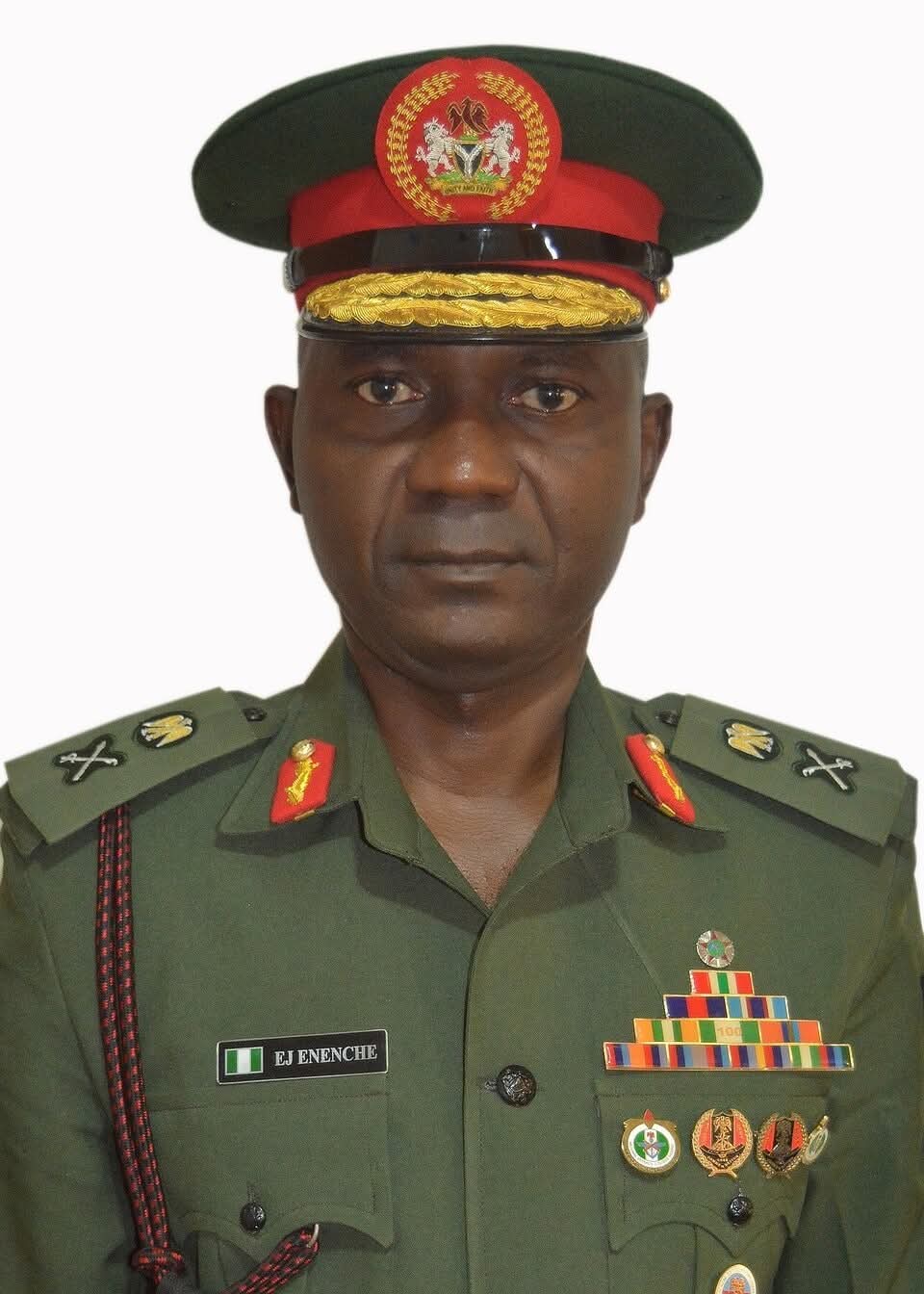

A former Nigerian military general, Enenche, has described opposition to United States support and strikes against terrorists as unpatriotic, insisting that such resistance only aids insecurity or serves personal interests.
Reflecting on his experience in active combat zones over two decades ago, Enenche said he witnessed firsthand the human cost of insecurity. According to him, security goes beyond the battlefield, affecting human lives, the economy, and even cyber space.
“As a military man who fought in that area over 20 years ago, I saw with my own eyes the casualties, the rage and the devastation. When you talk about security, you are talking about human security, economic security, cyber security. It affects everyone,” he said.
He welcomed the United States’ decision to support Nigeria, describing it as a positive development for the country. Enenche referenced former U.S. President Donald Trump’s commitment to assist Nigeria, noting that such cooperation signals hope rather than danger.
“America has come out boldly to say, ‘We are going to help you’. President Donald Trump said they will assist Nigeria. For me, this is the beginning of good things to come for this country,” he stated.
The retired general criticized individuals who consistently oppose foreign support, accusing them of spreading fear and pessimism.
“Where some people see negatives, we should see positives. Those who constantly project fear and pessimism, I see them as enemies of this country,” he said.
Drawing comparisons with Nigeria’s past peacekeeping missions, Enenche questioned why similar objections were not raised when Nigerian troops intervened in countries such as Liberia, Sierra Leone, and Congo.
“Anytime Nigerians cooperate and act as a team, we get results,” he added.
He further clarified that while foreign allies may not deploy ground troops, Nigeria must still take responsibility for on-ground operations, with strong backing from state and local governments.
“They may not put boots on the ground, but we must do the foot-on-ground work. We must deploy the necessary resources, and that is where state governments and local governments must support this effort,” he said.
Highlighting the sophistication of recent operations, Enenche emphasized that the strikes were intelligence-driven and precise, targeting terrorist strongholds.
“Look at the capacity, look at the weapons used. Do we have that capability? This was intelligence-driven and precise. These terrorists do not want to be followed to their staging or assembly areas,” he concluded.
-
 News2 years ago
Hardship: We Plan To Establish A National Commodity Board To Crash Food Prices – VP Shettima
-
News8 years ago
Blog Reader; Samson Osagiede Celebrates Fiancè Benedicta Daniels’s Birthday With Sweet Words
-
Home9 years ago
News Channel claims Donald Trump is an orphan from Pakistan,share alleged childhood photo
-
Home9 years ago
Another $175m Found in Patience Jonathan’s wife’s firm’s Bank Account
-
Home9 years ago
Oil Spillage: House of Reps Member Shares Photos of the Water her Constituents Drink .
-
Home9 years ago
Zara Buhari & Ahmed Indimi’s Wedding Access Card
-
 Sport7 years ago
Modric, Marta Wins 2018 FIFA Best Player Of The Year Awards ⚽️
-
News8 years ago
The Best Video You’ve Seen Today?