Foreign
UK Officially Enters Recession for First Time In 11 Years

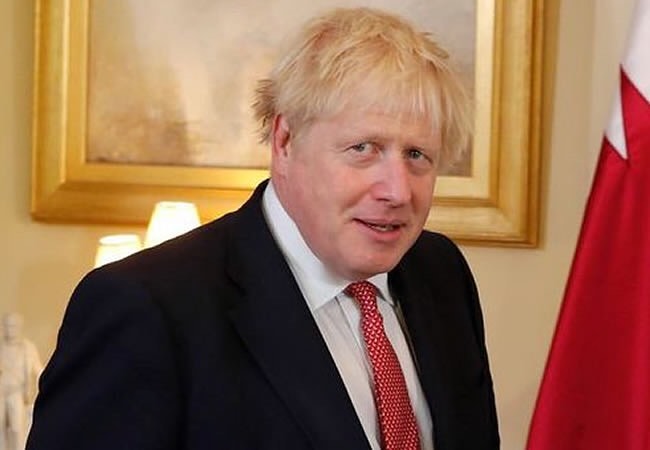
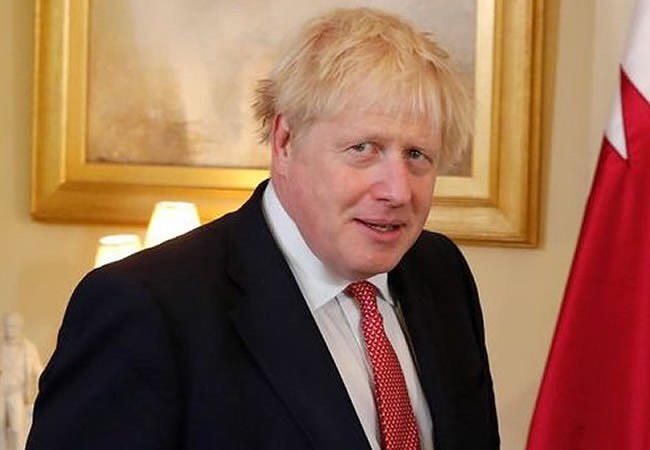
Britain’s economy contracted by a record 20.4 percent in the second quarter with the country in lockdown over the coronavirus pandemic, official data showed Wednesday.
“It is clear that the UK is in the largest recession on record,” the Office for National Statistics said.
Britain officially entered recession in the second quarter after gross domestic product (GDP) contracted by 2.2 percent in the first three months of the year.
The technical definition of a recession is two quarterly contractions in a row.
The economy is beginning to rebound, however, as the government eases its lockdown restrictions.
GDP output growth was 8.7 percent in June, the ONS said.
“The economy began to bounce back in June, with shops reopening, factories beginning to ramp up production and house-building continuing to recover,” noted Jonathan Athow, deputy national statistician as the statistics office.
“Despite this, GDP in June still remains a sixth below its level in February, before the virus struck.
Overall, productivity saw its largest-ever fall in the second quarter. Hospitality was worst hit, with productivity in that industry falling by three-quarters in recent months,” he added.
Britain’s recession is its first since the 2008 global financial crisis.


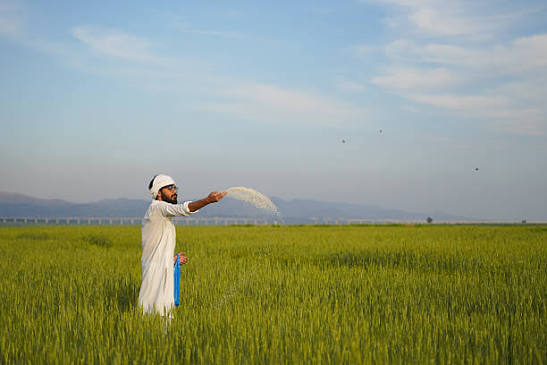
Pakistan and Saudi Arabia have agreed to strengthen cooperation in agriculture and food trade, with both countries targeting an increase in Pakistan’s agricultural and food exports to the Saudi market to $3 billion within two years.
The agreement was reached during a meeting between Pakistan’s Prime Minister Shehbaz Sharif and Saudi Arabia’s Minister of Environment, Water and Agriculture Abdulrahman Al-Fadley in Islamabad.
The discussions focused on expanding bilateral trade and creating greater opportunities for Pakistani agricultural producers and exporters in the Saudi market.
Focus on Agricultural Exports
The two sides agreed to work towards increasing Pakistan’s agriculture and food exports to Saudi Arabia from their current level to $3 billion over the next two years.
Pakistan has significant agricultural production capacity, with major exports including rice, fruits, vegetables, meat and other food products.
Saudi Arabia, meanwhile, relies heavily on food imports to meet domestic demand, making the country an important market for Pakistani agricultural products.
Sharif Calls for Stronger Economic Cooperation
During the meeting, Prime Minister Shehbaz Sharif stressed the importance of expanding economic and trade relations between Pakistan and Saudi Arabia.
He highlighted the longstanding friendship between the two countries and called for greater cooperation in areas that can generate economic benefits for both sides.
The Pakistani government is seeking to increase exports and attract investment as part of wider efforts to strengthen the country’s economy.
Saudi Arabia Explores Investment Opportunities
Saudi Arabia has also shown growing interest in investment opportunities in Pakistan.
Agriculture is among the sectors where increased Saudi investment and cooperation could help improve production, processing and access to international markets.
Greater collaboration could also create opportunities for Pakistani companies to expand their presence in the Gulf region.
Food Security Remains a Priority
The agreement comes as Saudi Arabia continues to focus on strengthening its food-security systems and diversifying its sources of agricultural imports.
For Pakistan, increasing food exports to Saudi Arabia could provide an important source of foreign exchange while opening new opportunities for farmers, food processors and exporters.
The two countries are expected to work on mechanisms that will make it easier for Pakistani agricultural products to meet Saudi market requirements and reach consumers more efficiently.
Trade Target Set for Two Years
The $3 billion target represents an ambitious expansion of agricultural and food trade between the two countries.
Achieving the target will depend on improvements in production capacity, quality standards, logistics, market access and investment in agricultural value chains.
If successfully implemented, the agreement could deepen economic ties between Islamabad and Riyadh while creating new opportunities for Pakistan’s agriculture and food-processing industries.
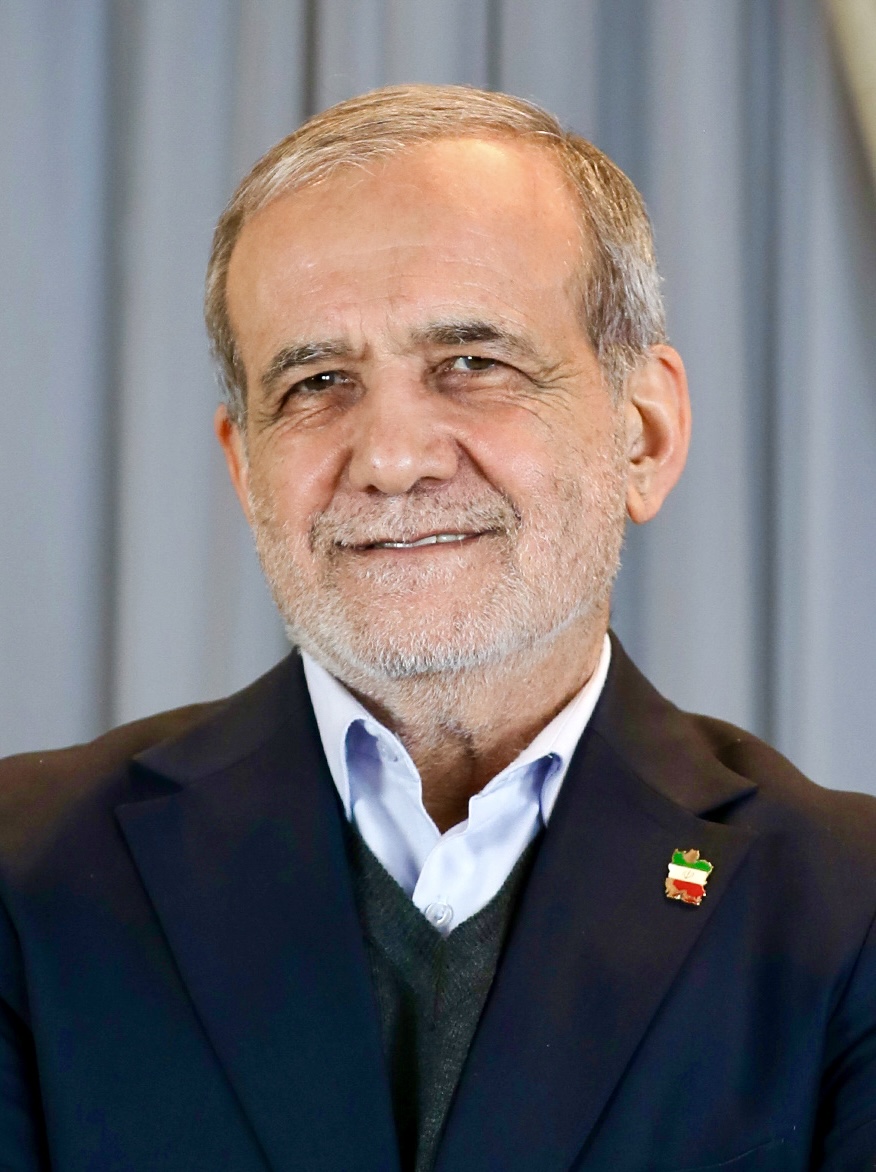
Iranian President Masoud Pezeshkian has maintained that Tehran’s fundamental position toward the United States remains unchanged despite recent diplomatic contacts between the two countries.
Speaking at a news conference on Saturday, Pezeshkian described the United States as a colonialist and criminal power, while insisting that Iran’s national principles and political identity had not been compromised by the recent engagement with Washington.
The Iranian president argued that the diplomatic process should not be interpreted as a change in Tehran’s long-standing stance toward the US. Rather, he said, the negotiations demonstrated that Washington had been compelled to engage with Iran through dialogue.
Pezeshkian also defended the memorandum recently concluded between Iran and the United States, rejecting criticism that Tehran had surrendered important interests in exchange for diplomatic progress.
According to the president, the agreement contains no provision requiring Iran to abandon its national interests or core positions. He maintained that Tehran remains firmly committed to the document despite the criticism it has attracted at home.
The president further accused Washington of failing to fully honour the understanding, particularly over arrangements concerning shipping through the Strait of Hormuz. He said the US had pursued alternative routes instead of following the procedures that Iran and Oman were expected to jointly establish.
Pezeshkian said any disagreements over the implementation of the memorandum should be handled through the mechanisms established under the agreement. He expressed hope that the diplomatic process would continue while preserving Iran’s dignity and national interests.
The Iranian leader also defended members of his negotiating team against domestic criticism, describing them as committed professionals who had worked hard to advance Iran’s interests during the discussions with the United States.
His comments come amid continued efforts to resolve disagreements between Tehran and Washington, particularly those surrounding the Strait of Hormuz, a strategically important waterway for international energy shipments. Recent negotiations have involved Iran, the United States and regional intermediaries, including Oman.
While diplomatic engagement has increased, Pezeshkian’s remarks underline the continued political differences between the two countries. Tehran appears willing to pursue negotiations while maintaining that such engagement does not amount to abandoning its broader foreign-policy principles.
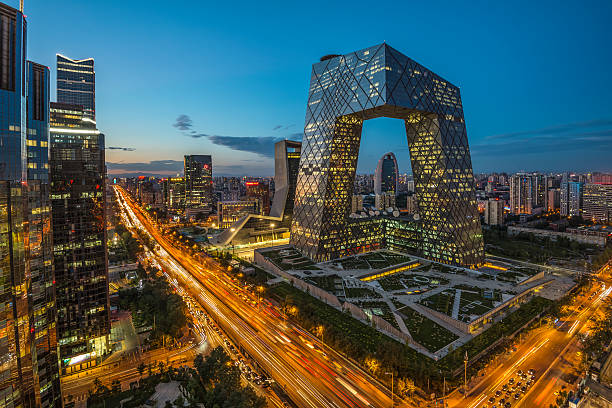
The United Nations Educational, Scientific and Cultural Organization (UNESCO) has officially designated Beijing as the World Capital of Architecture 2029 under its joint programme with the International Union of Architects (UIA). The honour recognises the city’s unique ability to preserve its rich architectural heritage while embracing innovation and sustainable urban development.
UNESCO said Beijing was selected because of its successful integration of historic landmarks, modern urban renewal projects and vibrant architectural culture. According to the organisation, the Chinese capital demonstrates how heritage conservation, innovation and community-centred planning can work together to create resilient and liveable cities.
The World Capital of Architecture programme was launched by UNESCO and the UIA to highlight the role of architecture, urban planning and cultural heritage in achieving sustainable urban development. The title is awarded every three years to the city hosting the UIA World Congress of Architects, which Beijing will stage in 2029.
UNESCO Director-General Khaled El-Enany approved the designation following a recommendation from the programme’s joint committee. Beijing now joins previous title holders Rio de Janeiro (2020), Copenhagen (2023) and Barcelona (2026).
The recognition is expected to provide Beijing with a global platform to showcase its architectural achievements and promote dialogue on sustainable city planning, cultural preservation and future urban design ahead of the 2029 congress.

 News3 years ago
Hardship: We Plan To Establish A National Commodity Board To Crash Food Prices – VP Shettima
- News8 years ago
Blog Reader; Samson Osagiede Celebrates Fiancè Benedicta Daniels’s Birthday With Sweet Words
- Home10 years ago
News Channel claims Donald Trump is an orphan from Pakistan,share alleged childhood photo
- Home10 years ago
Another $175m Found in Patience Jonathan’s wife’s firm’s Bank Account
- Home10 years ago
Oil Spillage: House of Reps Member Shares Photos of the Water her Constituents Drink .
- Home10 years ago
Zara Buhari & Ahmed Indimi’s Wedding Access Card
 Sport8 years ago
Modric, Marta Wins 2018 FIFA Best Player Of The Year Awards ⚽️
- News8 years ago
The Best Video You’ve Seen Today?